


By Reynold Caldera
Millions of Cubans have left their country in recent years. But what happens to the friends and families who remain?
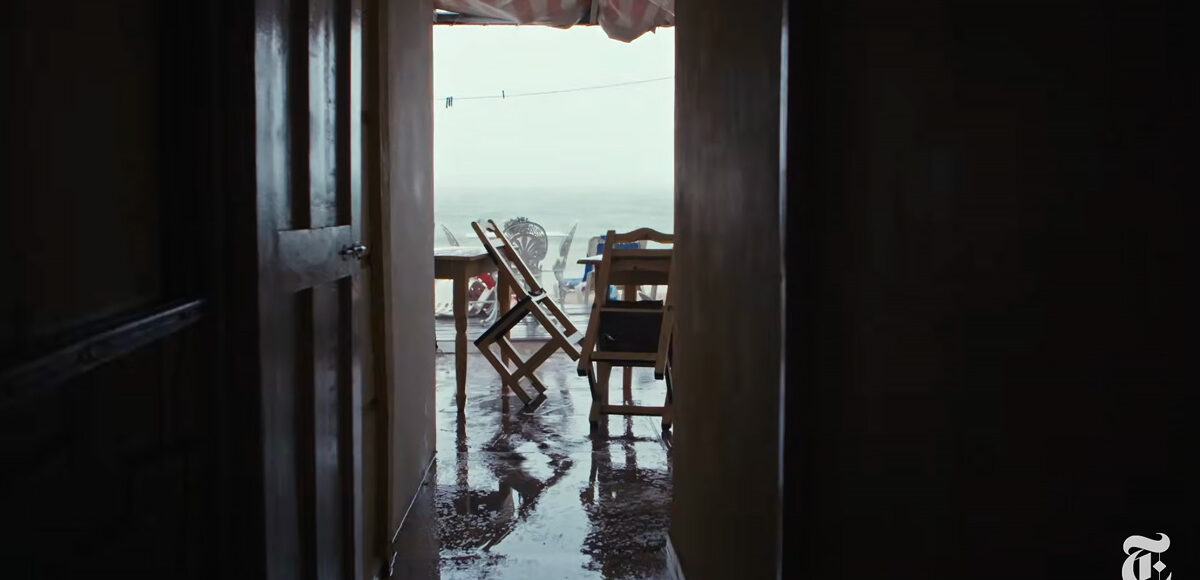
That question is at the center of La Retaguardia (The Ones Who Stay), a 22-minute documentary directed by Canadian filmmakers Olivier Côté and Jean-François Bouchard. The film follows four young artists in Havana as they watch people close to them leave Cuba, while facing their own questions about whether to stay.
The documentary was published by The New York Times’ Op-Docs in June and was screened at Manhattan’s IFC Center on October 28.
In an interview with The Bronx Journal, Côté spoke about filming in Cuba, how the documentary came together and why telling the stories of real people was so important to him.
The film was not originally planned as a documentary about migration.
Bouchard, a photographer who had spent years documenting Cuban life, was working on The New Cubans, a project focused on young artists and their communities.
In 2022, the filmmakers began regularly meeting artists in Havana. As they got to know them, they learned how the country’s growing migration crisis was affecting their lives.
The original project slowly became a film about the people who were staying behind.
The number of Cubans leaving the island has been unusually high. According to a September 2026 report by the Council on Foreign Relations, an estimated 1.6 million to 2.75 million people have left Cuba since 2020. The higher estimate comes from Cuban demographer Juan Carlos Albizu-Campos Espiñeira.
For those still living on the island, daily life has also become increasingly difficult. Cuba has experienced food shortages, economic problems and repeated electricity outages. A 2026 report by the Pan American Health Organization describes how power outages and disruptions to basic services have affected communities and access to health care.
These problems are part of the world in which the documentary’s four artists live.
Devon, Tomás, Elephanto and Israa are young people trying to continue their creative work in Havana. They have ambitions for their futures, but they also see friends and relatives leaving the country.
The film follows their experiences with separation, uncertainty and the possibility of leaving themselves.
For Côté, telling their stories came with a responsibility.
During his interview with The Bronx Journal, he explained that documentary filmmaking was different from the fiction projects he had worked on before.
In fiction, filmmakers can create scenes and change situations. But when working with real people, Côté said, it was important to represent their experiences as closely and accurately as possible.
He took that responsibility seriously while filming in Cuba.
The experience also became personal. Côté said he developed friendships with several people he met during the production and now considers some of them friends.
The documentary has also received responses from audiences outside Cuba.
Côté recalled that viewers from Africa approached him after screenings and told him they could relate to the film, even though their experiences came from a different part of the world.
He also mentioned messages from Cubans on social media. Some thanked the filmmakers because one of the women in the documentary had expressed feelings they recognized in their own lives.
Although the film is about Cuba, separation through migration is something many families in Latin America and elsewhere have experienced.
Leaving home can mean finding new opportunities, but it also means being far away from parents, friends and the places people grew up. For those who stay, it can mean watching their communities change as more people leave.
La Retaguardia looks at this experience from the side that receives less attention.