By Gabriella Finlator
On South 4th Avenue in Mount Vernon, the sound of clippers hums steadily while a television glows in the corner of a barbershop. Down the block, blow dryers buzz, braids are carefully woven, and laughter spills from behind salon doors. Inside these hair spaces, time slows. People wait, eat, talk and listen not just for a service, but for connection.
For one barber, Teddy who has worked on South 4th Avenue for more than a decade, the shop has become far more than a place to make a living.
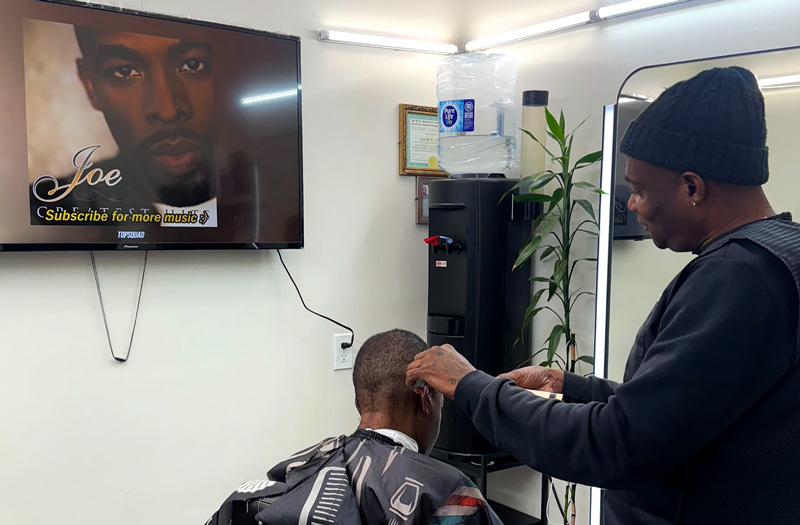
“It means a lot to the people who come here,” he said. “They don’t just come for haircuts. People come here for services like hair, makeup, nails, facials. It’s a place where they take care of themselves.”
The Waiting Game: How Clients Make Themselves at Home
Throughout the day, clients cycle in and out of the chair, while others sit waiting, watching television or chatting quietly.
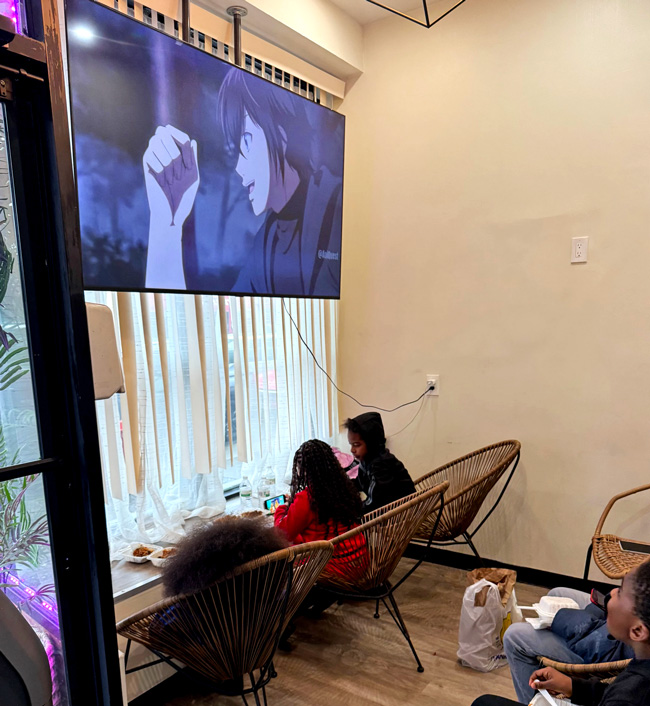
Teddy describes the conversations as wide-ranging and honest.
“We talk about everything,” he said. “Social issues, politics, from the cost of living to real life stuff.”
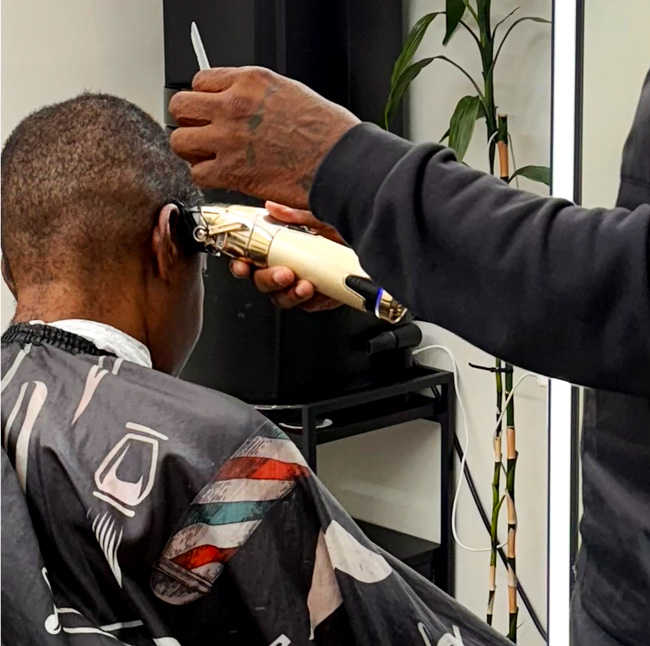
These discussions unfold naturally as hands move confidently with clippers and combs. In the chair, customers are relaxed enough to speak openly, turning routine appointments into moments of reflection and shared experience.
Over the years, Teddy has watched South 4th Avenue change slowly. While there have been no major new developments, he says the street remains active.
“There have been some renovations,” he said. “No new buildings, but it’s better than before. There’s more business now.”
That steady flow of business is especially visible inside Salon Suites 137, where hairstylists operate independently while supporting one another. Camele, a hairstylist describes the space as both professional and personal.
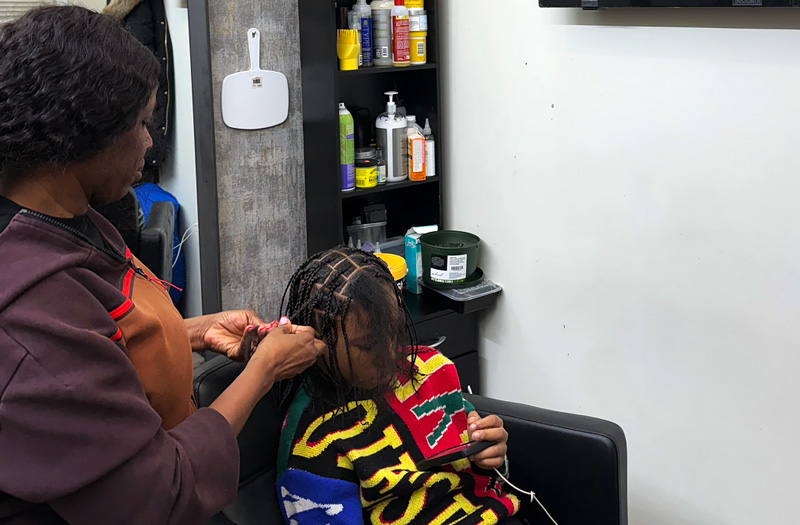
A Space for Connection
“It’s a place of work, but it’s also a community,” she said. “Everyone gets along, we refer clients to each other and sometimes after work we’ll sit and have a drink together with our suite mates.”
Inside her salon clients come in for braids, styling and care but they also come to talk. Camele says the chair often turns into an informal therapy session.
“Almost everything,” she laughed describing what she hears from clients. “We talk about what’s happening in the world, what’s going on in Mount Vernon, what they’re going to eat and sometimes they’re just complaining about an old hairstylist who messed them up.”
The clientele she added, has changed over time. What was once a mostly female customer base has become more diverse.
“I used to mostly do female braids, but now I have a lot more male clients,” she said. “They’ll walk by from nearby restaurants, look inside and decide to come in. Then they refer their friends and people they interact with outside.”
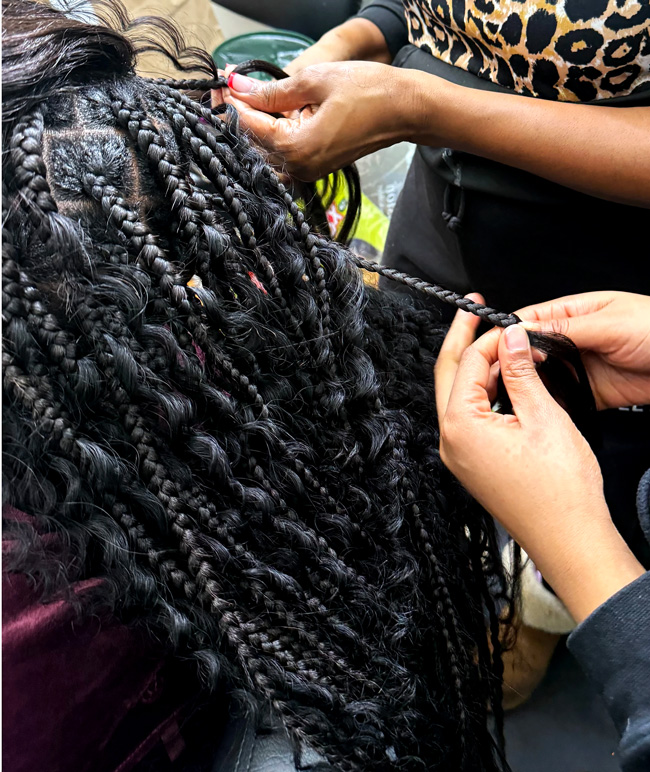
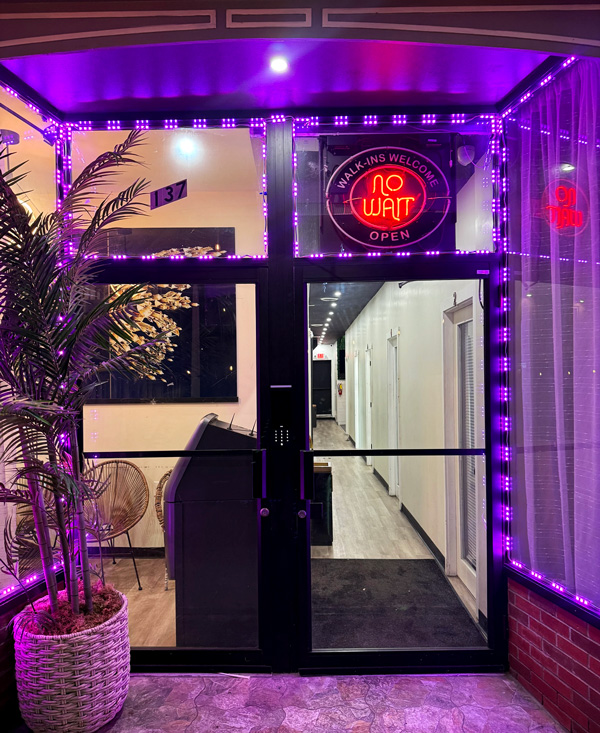
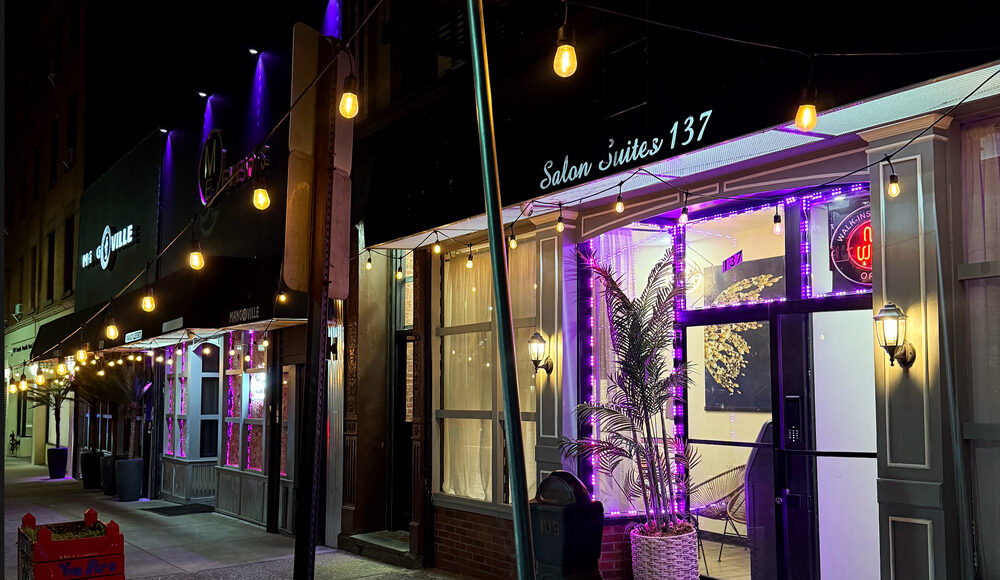
That sense of curiosity and accessibility reflects the role these hair spaces play along South 4th Avenue. With purple lights glowing outside Salon Suites 137 at night, walk-ins are welcomed and foot traffic becomes part of the story.
For customers, the experience is deeply personal. One client, Candy who regularly visits the salon says she wouldn’t go anywhere else.
“Because it’s the best place for me to get my hair braided,” she said. “She’s the best.”
When asked how she feels after leaving the chair, her answer was immediate.
“I leave feeling one hundred percent confident and comfortable,” she said.
Candy laughed when recalling a memorable moment during a visit.
“She was washing my hair and the water went into my ears — oh my God,” she said, still smiling.
Moments like these capture what makes South 4th Avenue hair spaces special. They are places where beauty routines overlap with humor, trust and everyday life. Clients don’t just come to change how they look they come to feel seen, heard and cared for.
Teddy believes that hair shops are especially important in Mount Vernon because of the community they serve.
“There are a lot of African Americans here and people care about looking good,” he said. “Hair, makeup that’s important. So hair shops do really well on South 4th Avenue.”
Inside these shops, identity is shaped one appointment at a time. Conversations flow as easily as music from the speakers. Outside, South 4th Avenue continues its steady rhythm restaurants, pedestrians, and storefronts illuminated after dark.
As clients check their reflection one last time before stepping back onto the sidewalk, the chair remains empty only briefly. Soon, someone else will sit down ready for a cut, a braid, or simply a moment to talk.
On South 4th Avenue, the work never fully stops and neither does the community.