


By Ikponwosa Ehigie
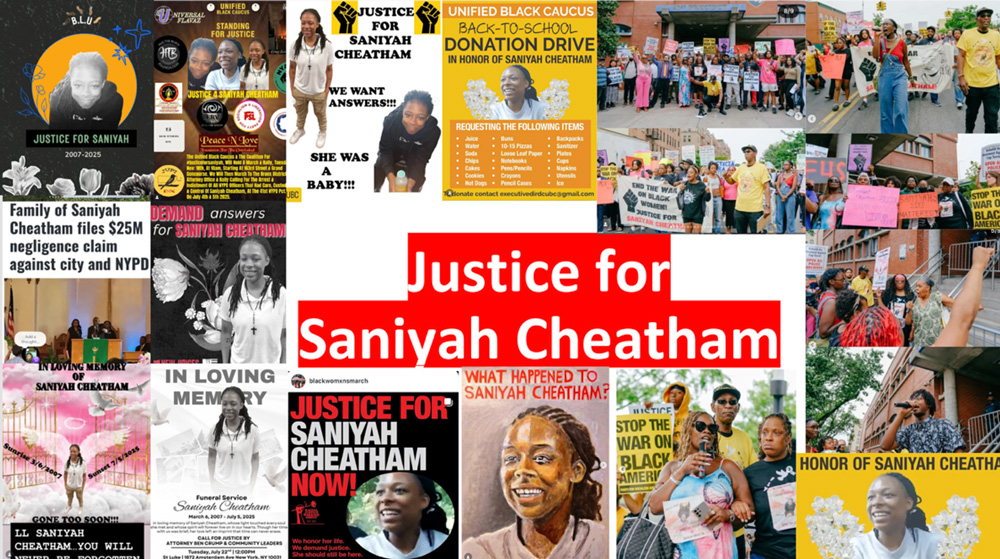
“Who got the Power? We got the power! What kind of Power? People Power!”, the room sang in unison after a heartfelt speech in memory of Saniyah Cheatham, a young woman who died in police custody earlier this year. The police claimed that it was suicide but Saniyah’s family and others that knew her still had questions.
A couple months later, this educational class, organized by The NY-YCL (Young Communist League) and NYAARP (National Alliance against Political Repression), sought to bring awareness to the issue of police brutality and alternative policing. The class was called “Community Control of the Police” and was based on the idea of turning over police control from the city and state governments to the people in their neighborhoods.
Community control is the idea that people should be able to have the kind of police they want. The police, say proponents, currently have a one-for-all response to all kinds of people in emergencies, which historically has oppressed people. “I do truly believe that community control of the police is the solution to police brutality and the racist repression of black people, people of color and poor people,” says Jay Espi, the event organizer.
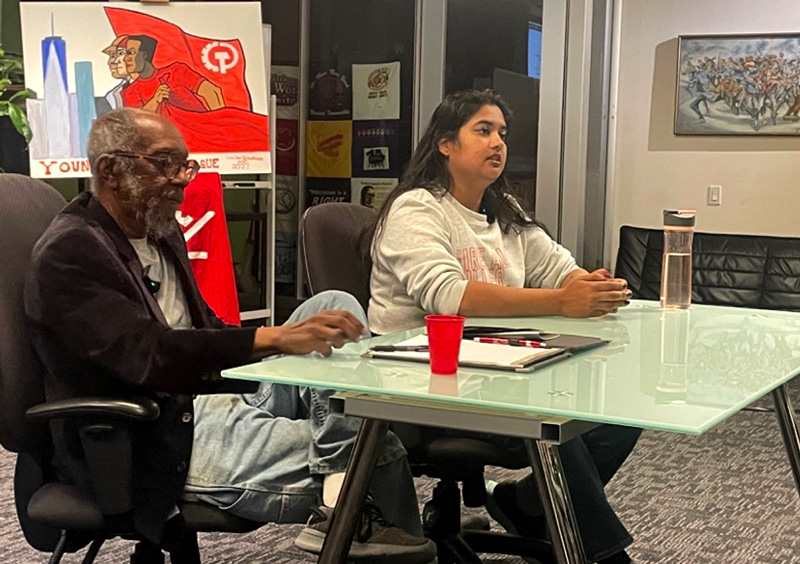
Tim Johnson, left and Shivani Ishvar, right.
The class started with one of the speakers, Tim Johnson, who went over the history of the American police force and suggested that its former use as a slave catching force was the reason for the current dire state of policing. “People are protesting when people in their communities, unarmed are shot by the police or are harassed, if not shot because of the way they dress or their hair,” said Johnson. He also spoke about this antagonistic attitude people from marginalized communities have towards the police and why this class was intended to search for an alternative law enforcement model.
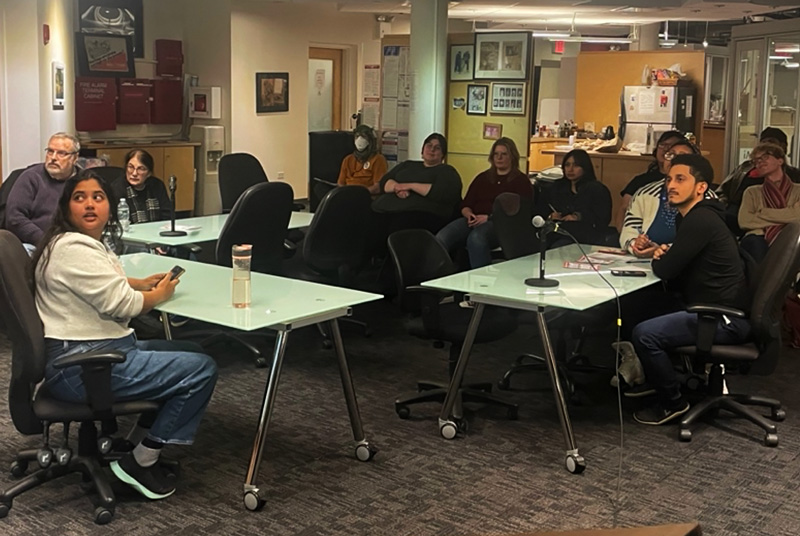
Class attendees mentioned New York Mayor-elect Zohran Mamdani and asked what policing would be like under his government. The consensus wasn’t overwhelmingly positive as people felt that pressures from old New York still existed and wouldn’t allow Mamdani to make many radical changes. For example, Mamdani’s plan to create a community agency to respond to emergency calls that didn’t require the brute force of the police, this idea was cited as a step in the right direction but not the end goal.
The presentation included many appeals to support different causes that seek to hold police accountable for unwarranted force and jailing. A postcard was handed out during the presentation that read “All I want for the holidays is to fire killer cops” and was centered around the death of Eudes Pierre, a man who was shot by police 10 times in 2021 while going through a mental health crisis. The class never strayed from the message that cops who hurt people without cause should be punished accordingly, which doesn’t happen often. This is an issue that community control would presumably address.

In the questions and comments section at the end of the class attendees discussed nuances that come with alternatives to policing. They questioned what community response would be appropriate, for example, if a person has clearly overdosed. Many suggested administering Narcan or Naloxone to the person and taking them to the hospital. But overdose training isn’t common knowledge. Shivani Ishvar suggested the free naloxone trainings the city offer to anyone, no qualifications needed.
How would community control respond to the Trump Administration’s placing National Guard in cities? The speakers again brought up how the people in the communities need and should have the decision-making power on something that direcly affects them.

Kelly, Saniyah Cheatham’s friend, left and Jay Espi, right.
The class ended with Kelly, a friend of Saniyah Cheatham, speaking about her death and Kelly’s own personal journey to anti-police brutality activism at just 16 years old.