


By Edwin Diaz
The Gay Harlem Renaissance opened October 2025 at The New York Historical.
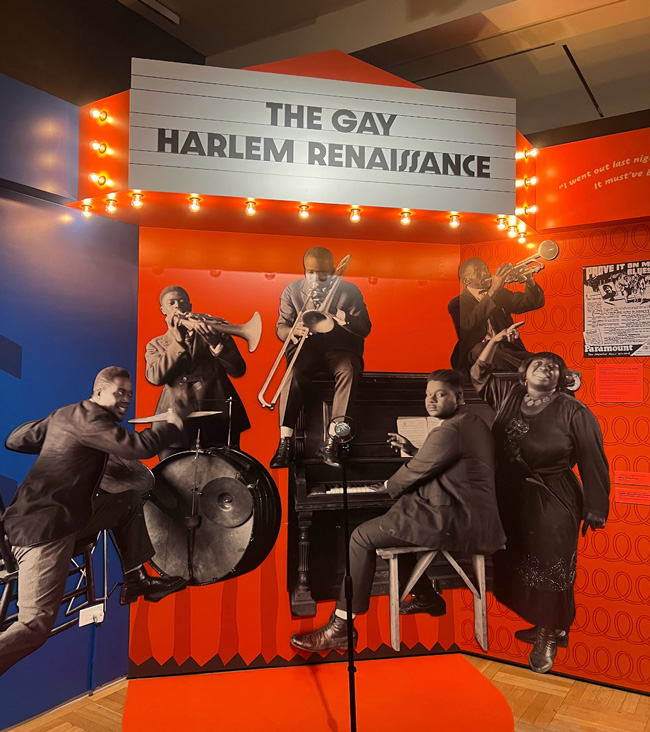
This exhibit portrays the experiences of many Black LGBTQ+ community members who played a significant role in the Harlem Renaissance in the early 20th century.
The Harlem Renaissance started at the beginning of the 1920s and is considered a cultural movement which helped redefine black artistic expression.
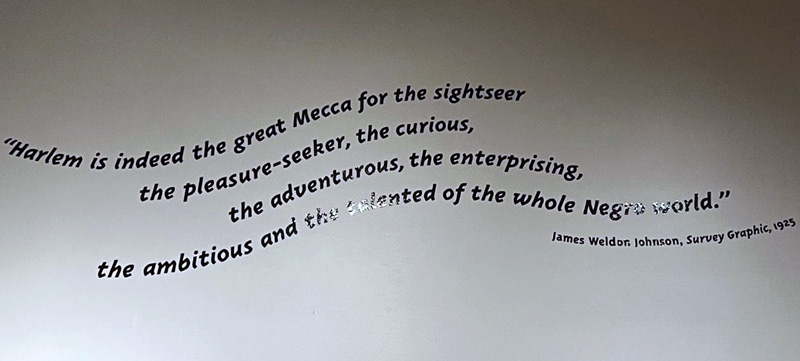
African Americans started coming from Southern states to New York City and immigrants came from countries in the Caribbean, establishing themselves in the neighborhood of Harlem. There they developed a strong sense of pride and produced music, arts and literature. Besides developing a strong sense of culture and joy, the movement served to fight against the racial oppression that many African Americans were dealing with at the time.

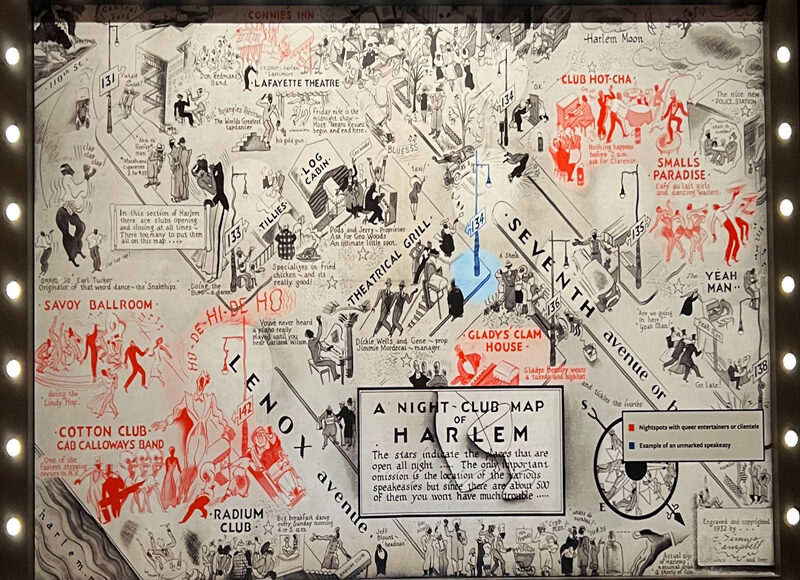
Many African Americans who were writers, poets, novelists, artists, singers and dancers, were gay, lesbian, bisexual, transmasculine, or transgender. Many of them kept their gender and sexuality identity private while a few made it public. Not only did black people struggle and face a lot of racial discrimination but also people within the Queer community as well. But despite the many obstacles, they played a significant role during the Harlem Renaissance by creating a strong sense of culture in their creative work and a vibrant nightlife which drew a significant crowd to the neighborhood.
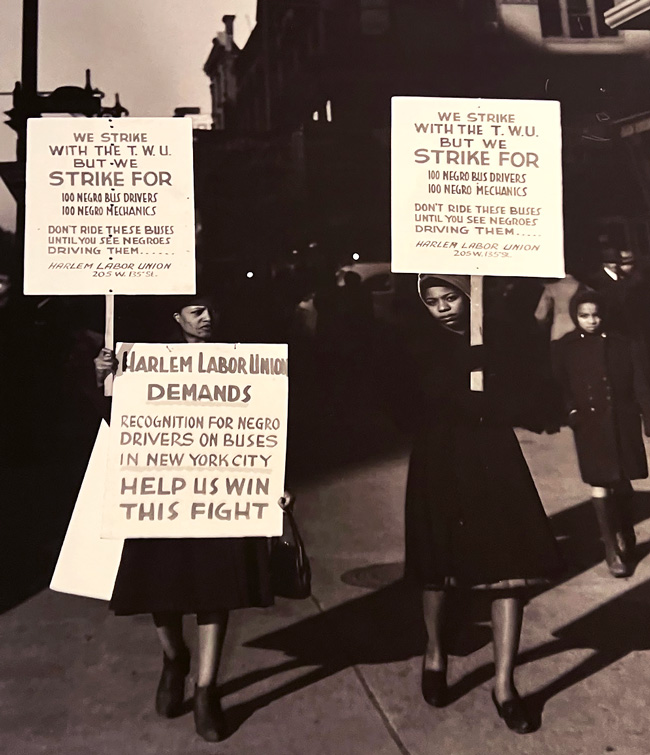
When black people and immigrants came to New York City, they saw Harlem as a promised land where they could have better job opportunities, political rights, and cultural freedom. But conditions were very similar to those in the South. In Harlem black people endured housing and job discrimination. Black people from the LGBTQ+ community were also targets of policy and morality laws.
At that time black people in Harlem established political movements such as civil rights organizations which became politically involved in fighting against racial oppression and segregation as well as demanding better job opportunities. People from the Queer community also joined the cause after experiencing racial stereotyping against their gender and sexuality.
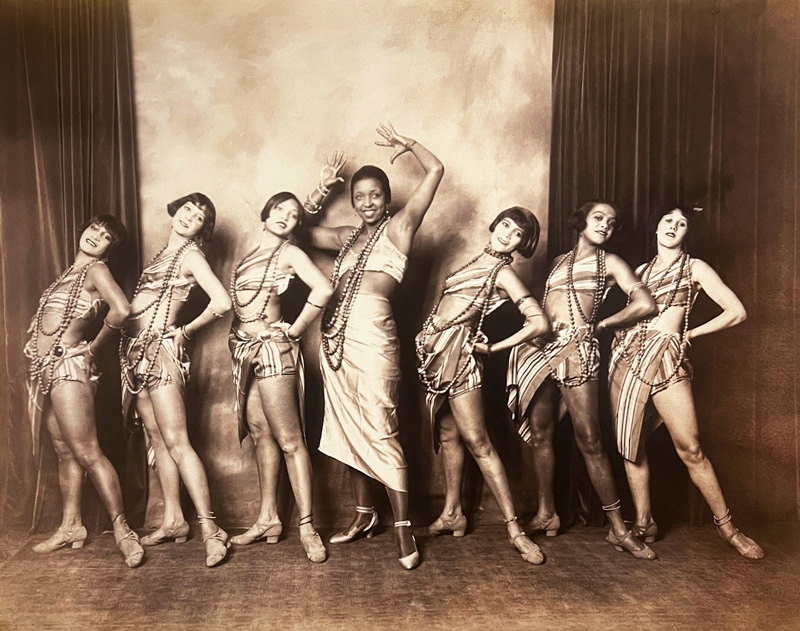
At that time many women identified themselves as being lesbians while others had relationships with both men and women. Their music was composed with a mix of feelings based on the struggles that many women faced at that time. Some of their songs express their feelings about the same sex desires and their lived experience as LGBTQ+ members.
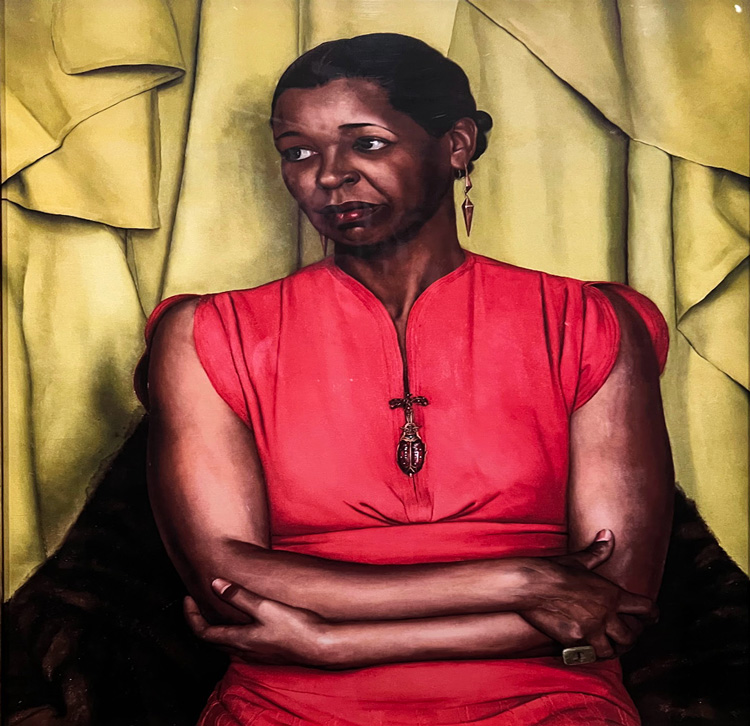
Ethel Waters was one of the most successful jazz singers and dancers who performed at nightclubs during the Harlem Renaissance. She was born in Pennsylvania but moved to Harlem in 1919. During her career she performed on Broadway stage, radio and films. Her work led her to break racial barriers by earning Oscar and Emmy awards nominations. She earned an Oscar nomination for Best Supporting Actress in the film “Pinky” in 1950. Waters identified as bisexual and had a secret romantic relationship with a dancer called Ethel Williams. As a way to protect her identity she kept her sexuality private fearing that it could damage her career as a singer and dancer. She remained very close with the LGBTQ+ community because her music attracted many people who identify themselves as gay or lesbian. She and her girlfriend became known as “The Two Ethels” as they both performed on center stage at nightclubs which made their popularity grow.

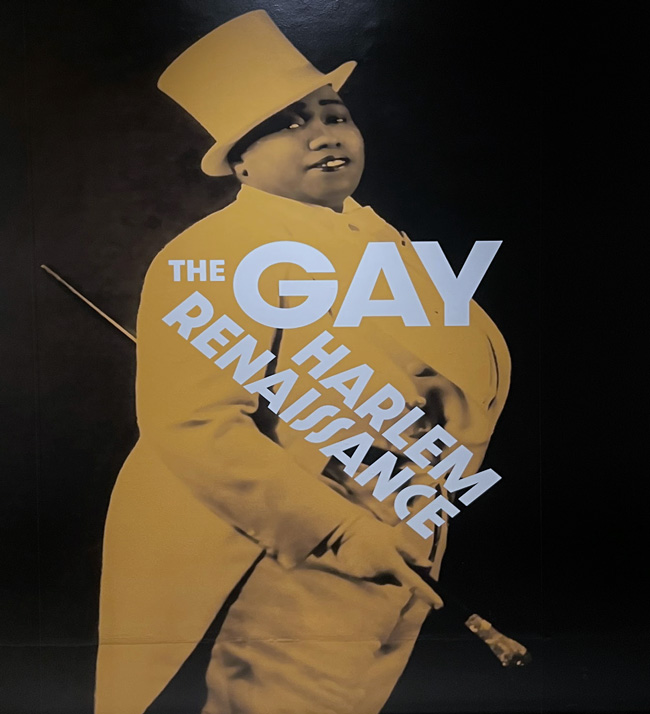
Gladys Bentley was a blues singer, entertainer and a pianist who became a very popular musician during The Harlem Renaissance. She usually wore a tuxedo and a top hat as part of her dress code. She publicly admitted being a lesbian. People still show up to nightclubs to watch her perform. Later, amid widespread anti-LGBTQ+ pressure which targeted Bentley and others, she decided to return to being a woman even getting married to a man. She still performed on stage while privately identifying herself as being Queer.
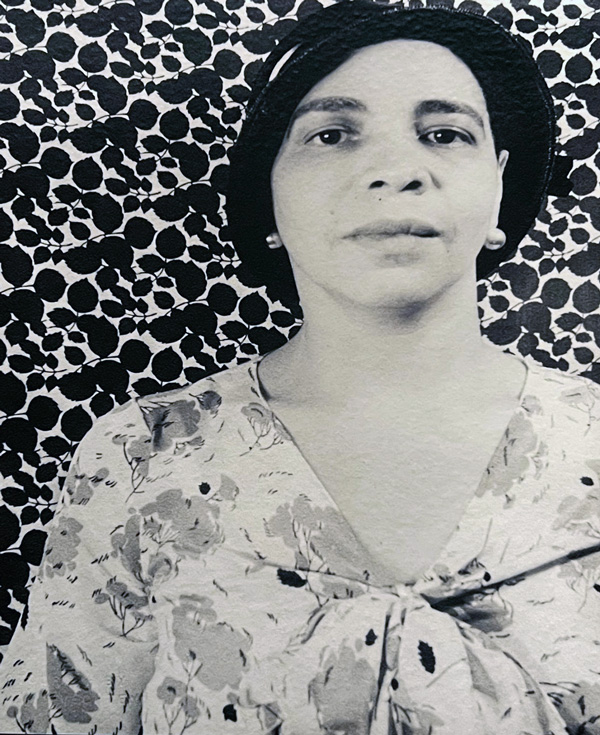
Nella Larsen was a famous novelist during The Harlem Renaissance. Her stories focused on themes of race, gender, and sexuality. One of her most famous and popular novels published in 1929 is called “Passing” and focuses on the story of two light-skinned Black women who feel mutual affection for one another. Irene falls in love with Claire, who is married to a white man unaware she is Black. Larsen novels focus on the pressure a lot of black women face when it comes to getting married while challenging the barriers – racial, gender, and sexuality– that many experienced.
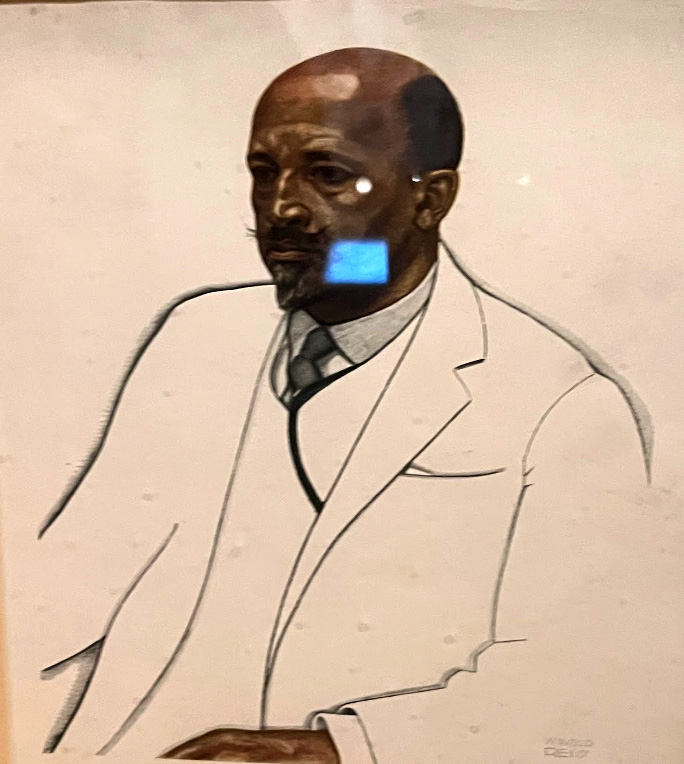
W.E.B DuBois was an African American philosopher and an activist who spoke out against racial oppression. He was also a big advocate for educating Black students. DuBois created The Crisis, a magazine which focused on issues of racial prejudice against people of color. The magazine was published by the National Association for the Advancement of Colored People (NAACP). Augustus Granville Dill served as the magazine business manager for six years but he was later fired following his arrest for homosexual solicitation. DuBois, who did not have prior knowledge about the homosexuality at the time, ended up regretting his own decision of firing a very close friend.
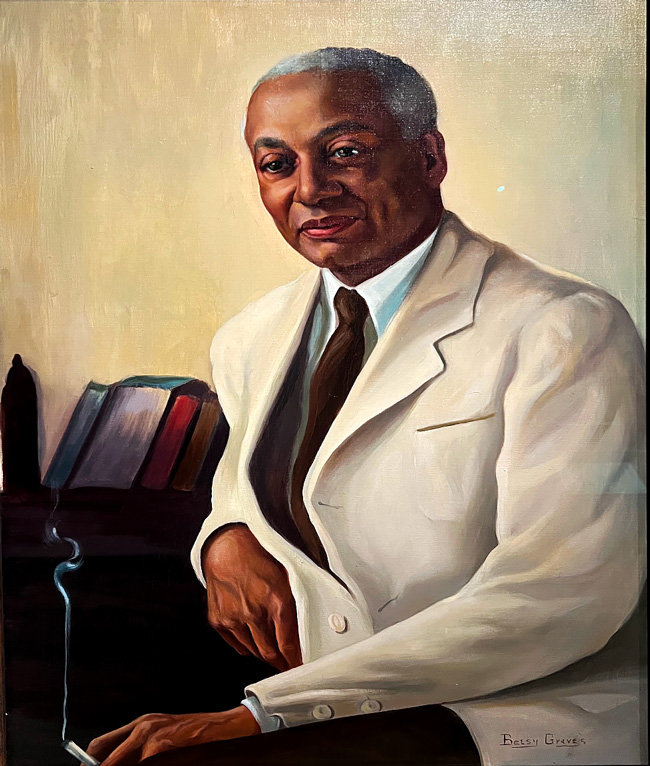
Alain Locke was an African American philosopher who advocated for Black people’s expression, identity and cultural pride. He is often viewed as the founder of The Harlem Renaissance. In 1910 he completed his bachelor’s degree at Oxford University where he became the first African American Rhodes Scholar. He completed his Ph.D. in philosophy at Harvard University in 1918. He taught at Howard University from 1921-1953. His book called “The New Negro” focuses on pushing Black artists to follow their own path as well as mentoring Black writers and connecting them with publishers. Locke helped encourage so many Black artists and writers from the LGBTQ+ community to follow their own sex desires that they felt he was a gay man himself. Locke never publicly stated her sexuality. Encouraging Black people within the Queer community to embrace their sexuality and their self-expression was a way to challenge the racial barriers and the pressure that had been put on them from the outside world.

The nightlight at Harlem became so attractive that many white people attended nightclubs and were looking to explore their own sexual fantasies. Many white people who considered themselves gay, lesbian, or transgender had relationships with Black artists, writers, singers, who were part of the Queer community. White people kept a low profile when attending nightclubs as a way of not to be seen by their neighbors. It wasn’t just Black people performing and engaging in the nightlife of Harlem, white people also became attracted to the lifestyle.
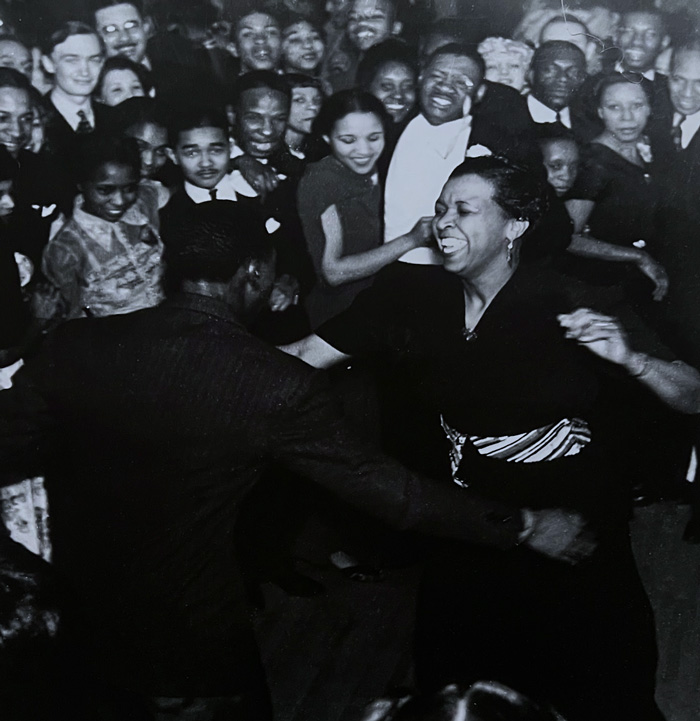
People who were gay, lesbian, or transgender helped establish new vibes within the neighborhood where people went met up on the streets. The nightlight in Harlem attracted many people who came to see the well-known popular singers and dancers, especially those who were part of the Queer community. The New York Historical Society is located at 170 Central Park West in Manhattan and the exhibit is scheduled to run through March 8, 2026.