


By Edwin Diaz
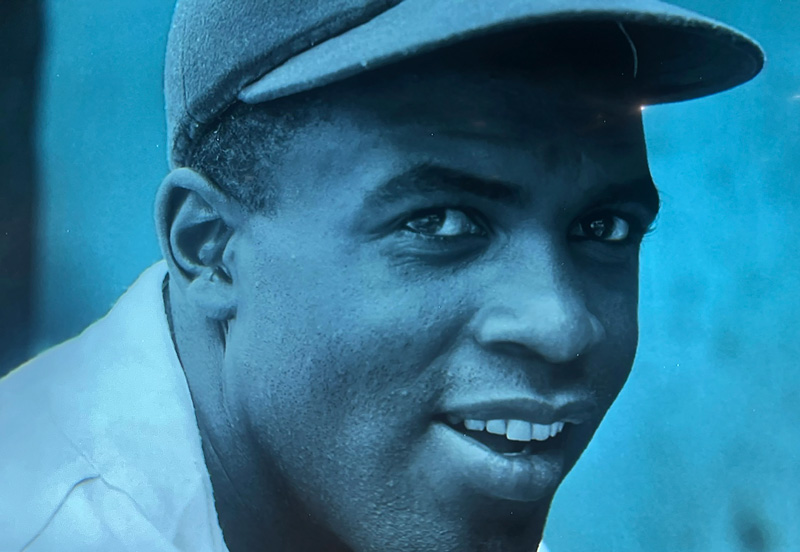
Jackie Robinson broke Major League Baseball’s modern-era color barrier when he made his debut on April 15, 1947, with the Brooklyn Dodgers. During his 10-year career, racism, segregation, and discrimination did not stop Robinson from achieving greatness. Every April 15 players wear No. 42 on their jerseys to pay tribute to Robinson’s legacy. After his professional career was over, Robinson was a civil rights advocate, working closely with organizations such as the NAACP. He participated in rallies and publicly supported leaders including Martin Luther King Jr..
Robinson also used his national platform to push for economic empowerment, encouraging African Americans to pursue business ownership and financial independence. Robinson sent letters to four U.S. presidents: Dwight D. Eisenhower, John F. Kennedy, Lyndon Johnson and Richard Nixon urging stronger action against racial discrimination and segregation.
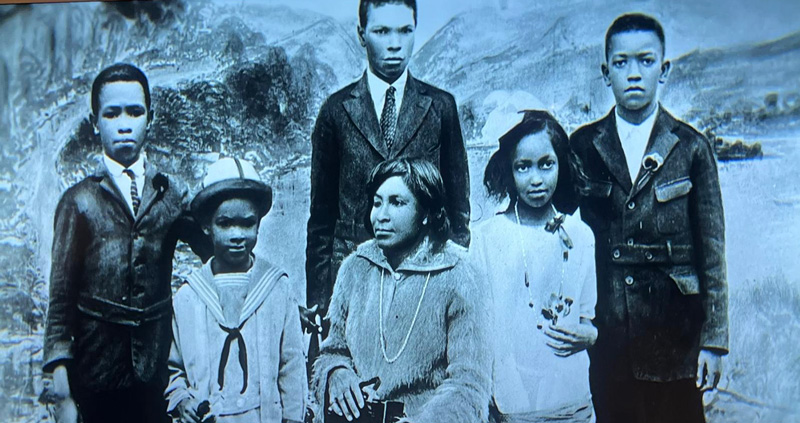
Jackie Robinson was born in Cairo, Georgia, in 1919, the youngest of five siblings. When his father, Jerry Robinson, abandoned the family in 1920, his mother Mallie moved the children to Pasadena, California, where she raised them.
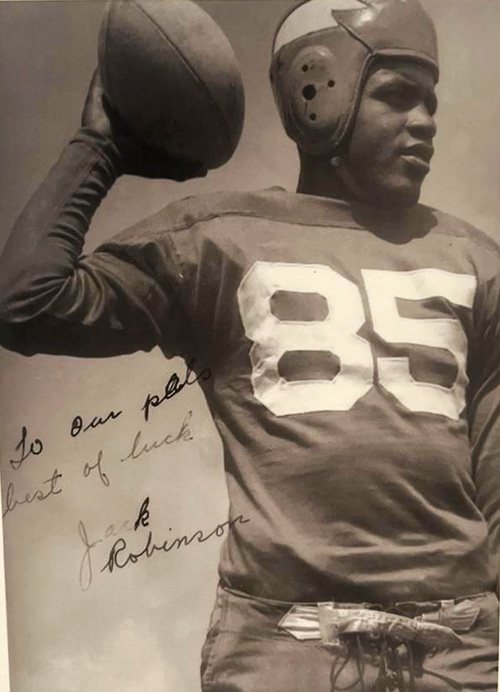
In 1939, Robinson attended college at the University of California at Los Angeles where he excelled in football, basketball, baseball, track and field. Surprisingly, baseball wasn’t his strongest game, but he dominated the other sports with his athleticism.
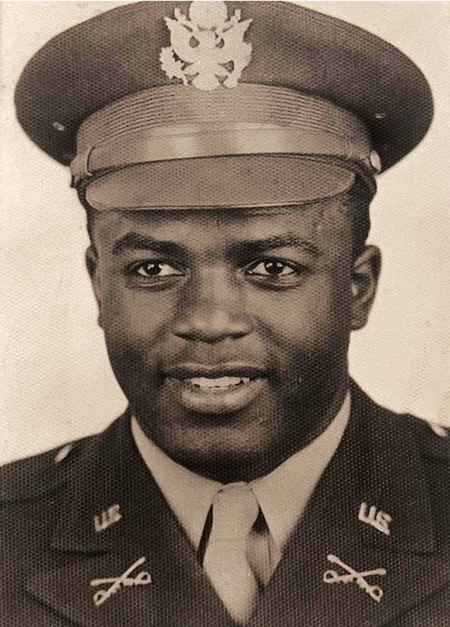
Robinson was drafted into the U.S. Army in 1942 and served as a lieutenant in WWII until 1944, when he was discharged after refusing to give up his seat on a segregated military bus.

In March 1945, Robinson signed with the Kansas City Monarchs, a Negro League team, where he played shortstop. Although his time with the Monarchs was brief, his performance caught the attention of Major League scouts. By October 1945 Branch Rickey, president and general manager of the Brooklyn Dodgers, signed Robinson to a minor league contract and he eventually played for their minor league team called The Montreal Royals.
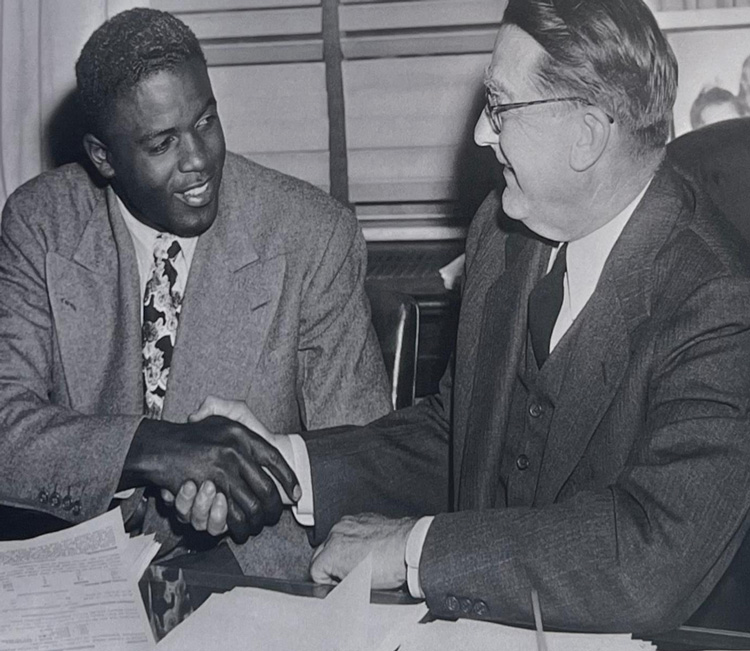
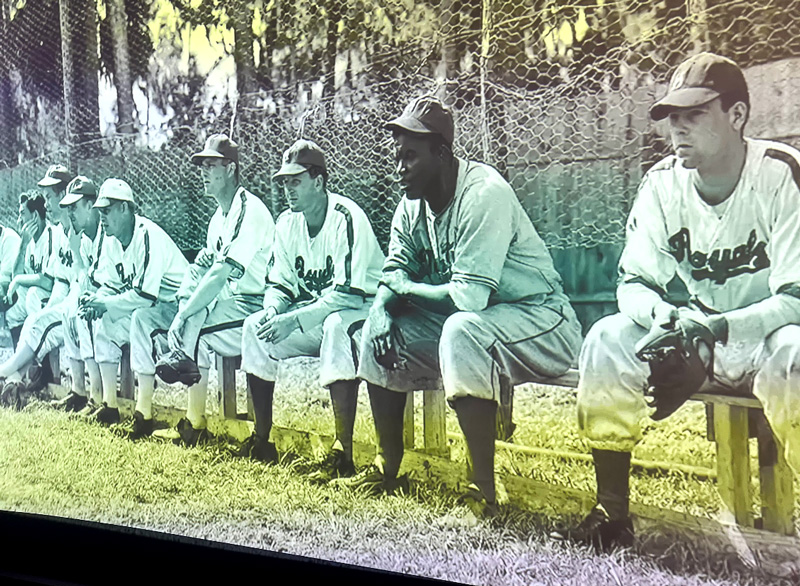
Robinson had a dominant first year with the Royals during the 1946 season, batting .349, drawing 92 walks, stealing 40 bases, and leading the Royals to the Junior World Series championship. Despite facing racism from opposing crowds, he became very popular in Montreal for both his talent and composure.
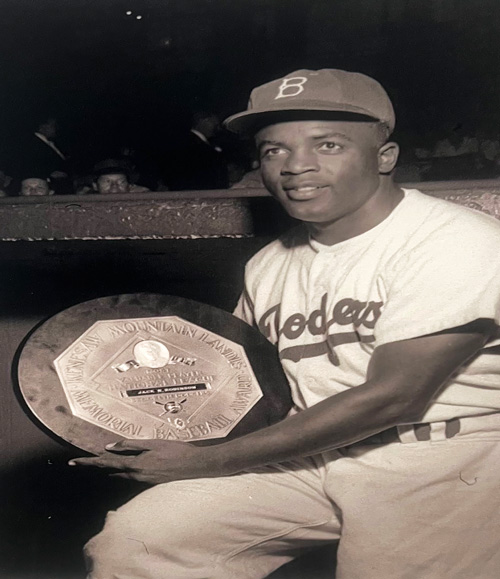
Rickey wanted a player who could break the color line and saw Robinson as the right candidate to do it based on his courage and his ability to not respond to the racism. In his conversations with Robinson, he told him that he wanted a player that had “the guts not to fight back” when facing racial discrimination which Robinson eventually agreed upon. On April 15th 1947 Jackie Robinson got the call to play in his first ever Major League Baseball game and broke the color barrier by becoming the first African American player in MLB’s modern era. That season, he won the Rookie of the Year Award, which was officially renamed the Jackie Robinson Rookie of the Year Award in 1987.

As a baseball player Robinson faced a tremendous number of challenges, particularly with Jim Crow Laws which prevented him from entering multiple places. When traveling on the road, he couldn’t stay in the same motel as the team in most cities. He received death threats.

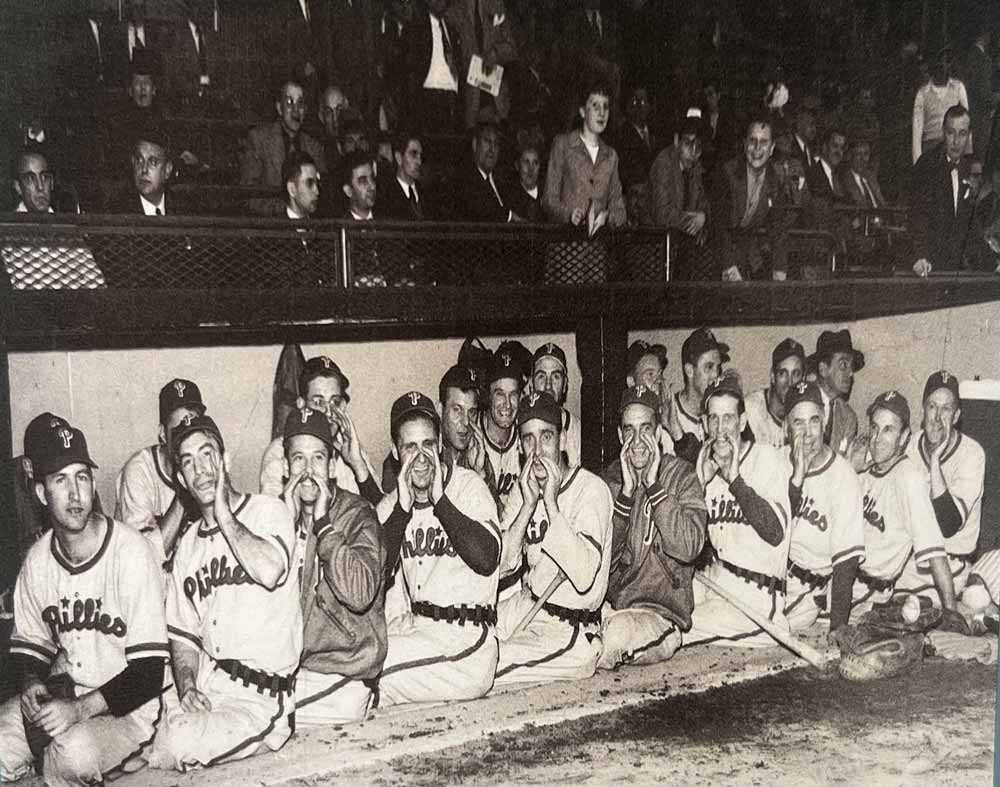
Players from the opposing team taunted him and refused to share the field with Robinson. Even some of his Dodgers teammates refused. Despite the hate that surrounded Robinson, he never surrendered and always kept pushing hard, focusing on his game.
Robinson announced his retirement from baseball in 1957, after the Dodgers traded him to the New York Giants in 1956, choosing to retire and pursue other opportunities, like helping African American communities. In 1962, he was inducted into the baseball Hall of Fame, becoming the first African American position player to receive the honor. Besides breaking the color barrier, in his 10-year career Robinson won Rookie of the Year, was a league MVP, won the National League batting title, was a six time all-star and led the Dodgers to their first ever World Series title in franchise history in 1955. Leadership, perseverance, courage, and sacrifice ultimately lead him to become one of the greatest players in baseball history while showing that black athletes could also be successful in the sport despite the many challenges that surrounded them.

Robinson met his future wife Rachel at UCLA. They married in 1946 and had three children. She supported him throughout his career and, just like his husband, faced a lot of racism, segregation, and death threats. She was with him not only in the good moments but also in the toughest ones. Once Robinson retired, she helped him fight for opportunities for African American communities.
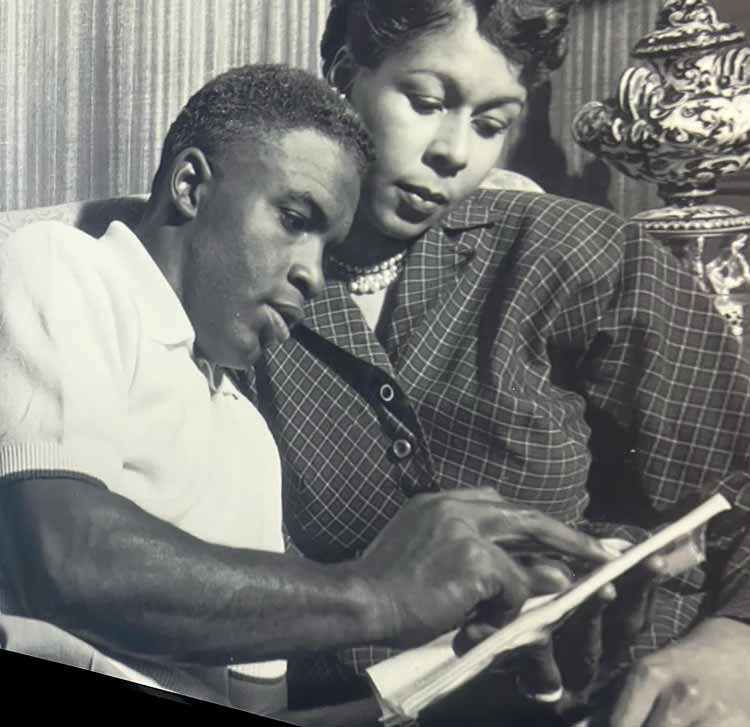
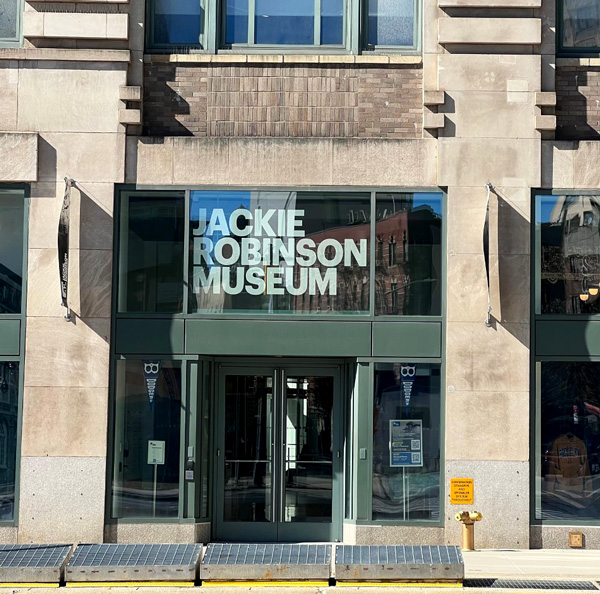
Robinson’s impact extended far beyond baseball. In addition to supporting the 1963 March on Washington, he helped raise funds for civil rights causes and spoke out against injustice. His legacy is preserved today at the Jackie Robinson Museum, located at 75 Varick Street in lower Manhattan, which opened to the public in 2022.
In 1972 Robinson died from complications from heart disease and diabetes. During his 10-year career Robinson wore No. 42. In 1997, Major League Baseball retired his No. 42 for all 30 teams to honor Robinson’s sacrifice in breaking the color barrier.