


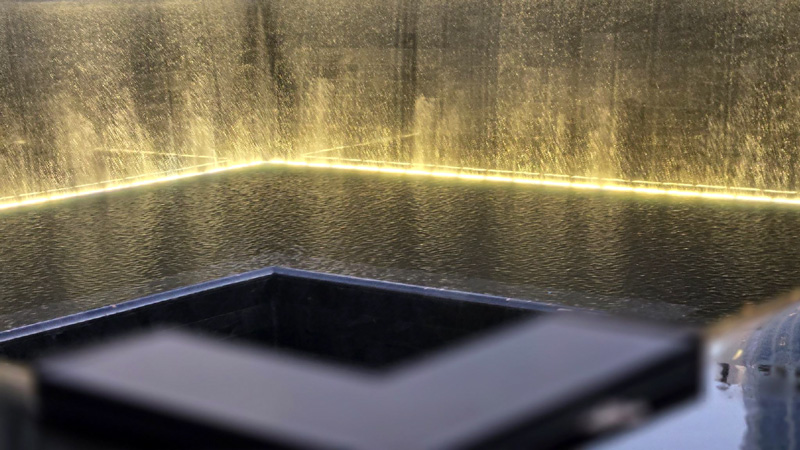
By Daniel Douglas
September 11, 2001, remains one of the most defining days in American history — a moment that reshaped lives and united a nation. Photos of the 9/11 Memorial & Museum in Manhattan reflect on the sorrow, bravery, and resilience that continue to echo decades later. Each photo captures a quiet reminder of the lives lost and the strength that rose from tragedy. As I walked through the memorial, the weight of history was felt in every corner — a timeless reminder that even in the face of unimaginable loss, hope still finds a way to rise.
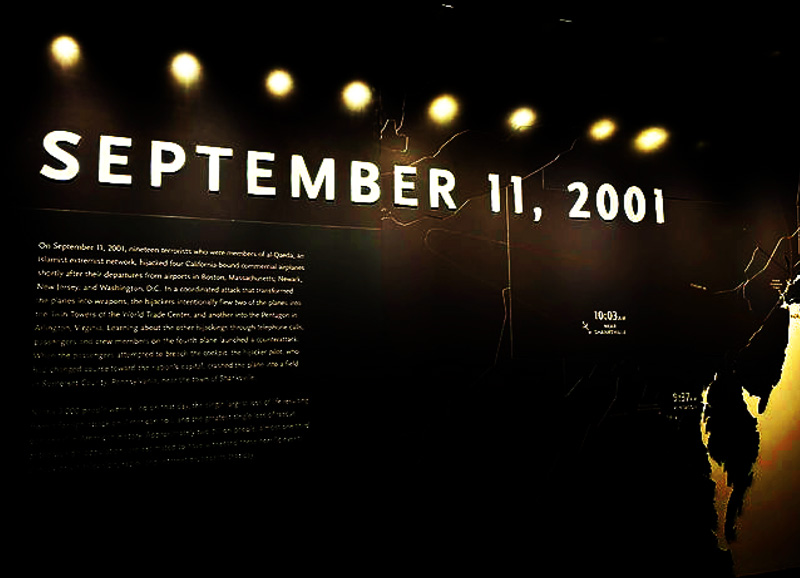
September 11, 2001 — a date that forever altered the course of American history and global consciousness.
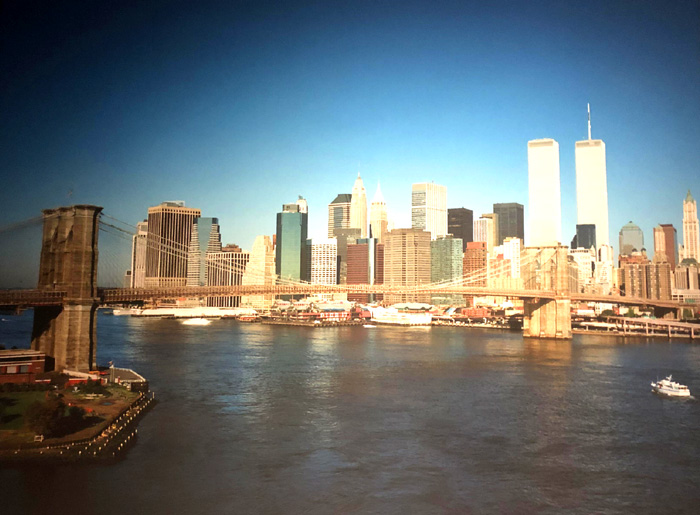
Taken from Brooklyn at approximately 8:30 a.m., this image captures Lower Manhattan before the first plane struck the North Tower.
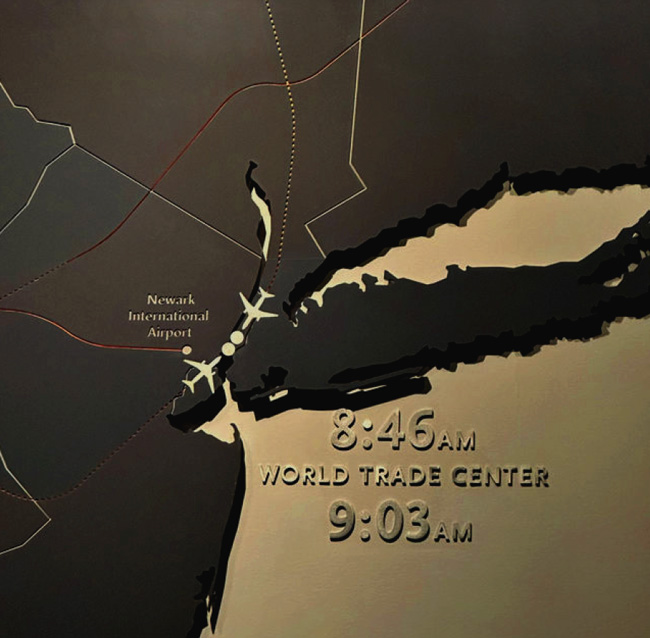
At 8:46 AM, this 20-foot steel column-known as M-27-was struck by hijacked Flight 11 as it tore through floors 93 to 99 of the North Tower.
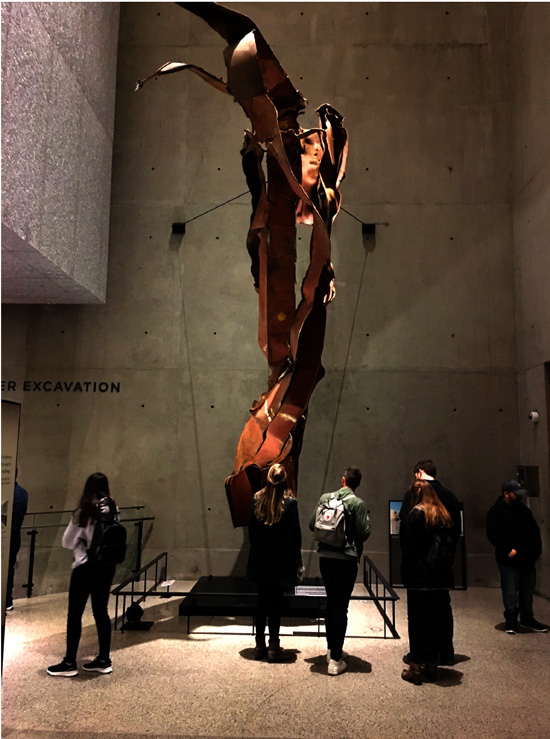
The mangled steel reflects the force of the impact and the tragic loss of life in and above the strike zone.
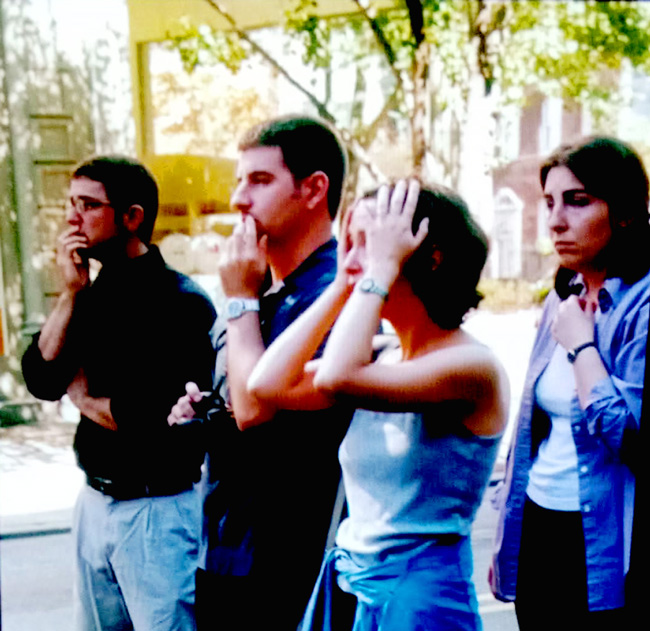
Frozen in daylight, they watched history collapse — strangers bound by shock, as the skyline turned to smoke and silence.

Among the ruins, the remains of the Vesey Street Stairs remained – scarred but standing. Now known as the Survivors’ Stairs, they provided a crucial escape route for hundreds fleeing the collapsing towers.
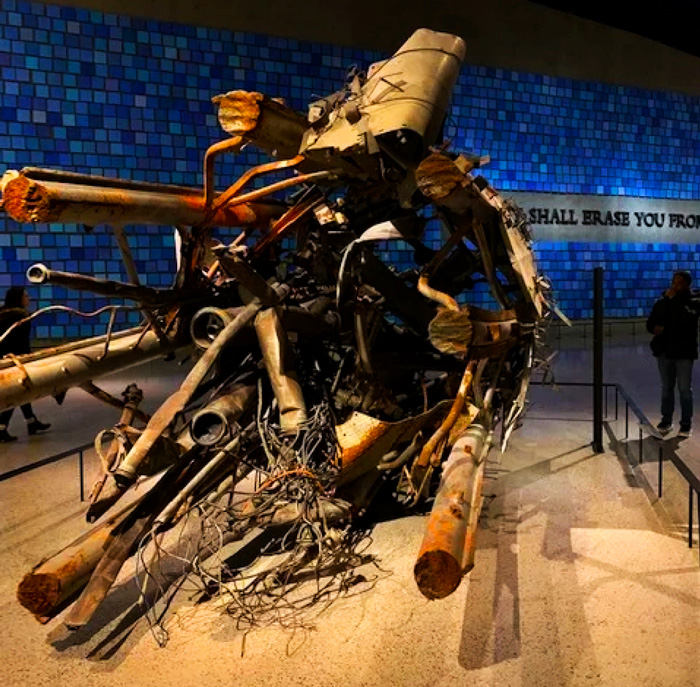
Standing 360 feet tall, it began broadcasting in 1980 – when Flight 11 struck and the tower collapsed, the signal went silent.
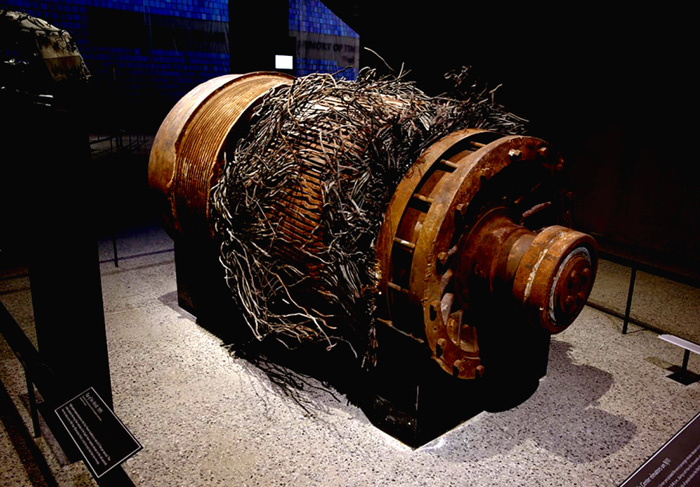
The Twin Towers were the first skyscrapers to employ local and express elevators which reduced elevator travel times. Each tower had 99 elevators with express cars travelling directly to Windows on the World in the North Tower and to the Observation Deck in the South Tower. The elevator motor on display was the largest in the world when installed and it moved at a speed of 1,600 feet per minute.
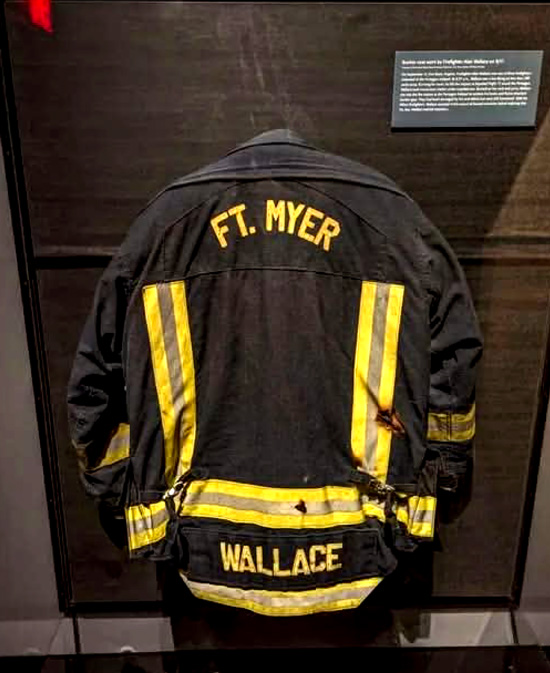
Charred and worn, the remains of this firefighter’s vest speak of courage under collapse.
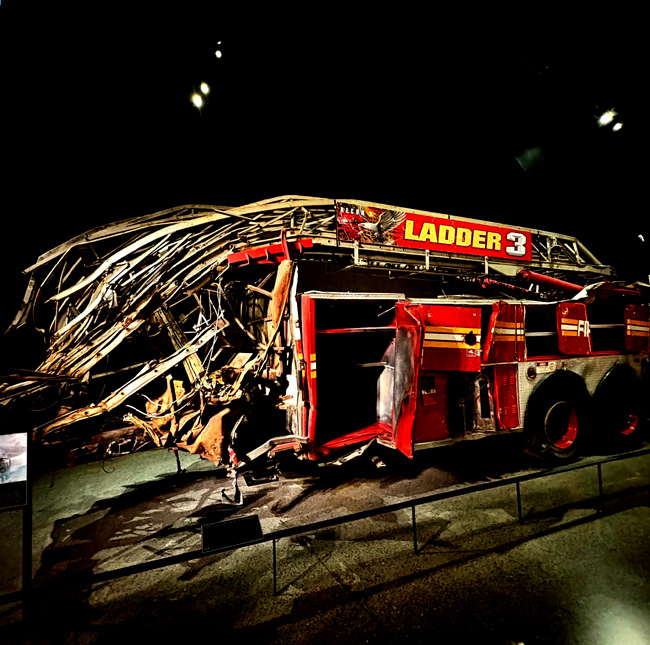
On the morning of September 11, Ladder 3 raced toward the burning towers, its crew ascending into chaos with resolve. Today, the mangled truck stands frozen in time.
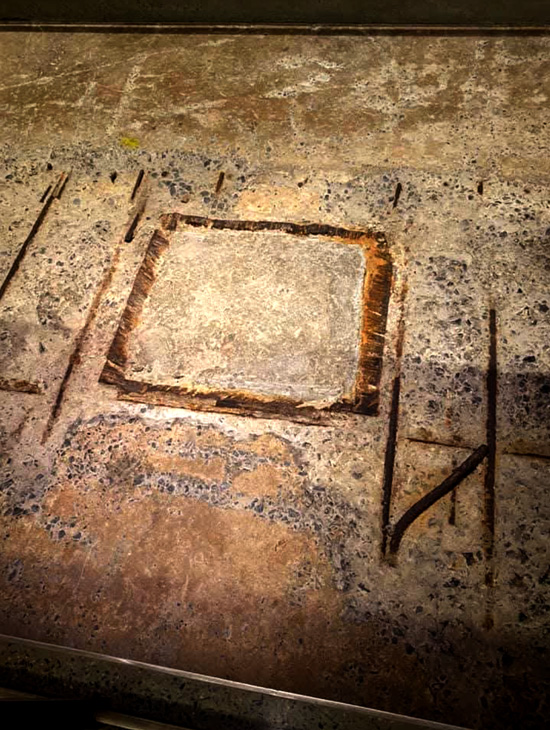
Built with hollow-core construction, these columns gave the Twin Towers their iconic facades and vital structural strength. After the recovery efforts, they were severed just above ground level – marking the end of what once stood tall.
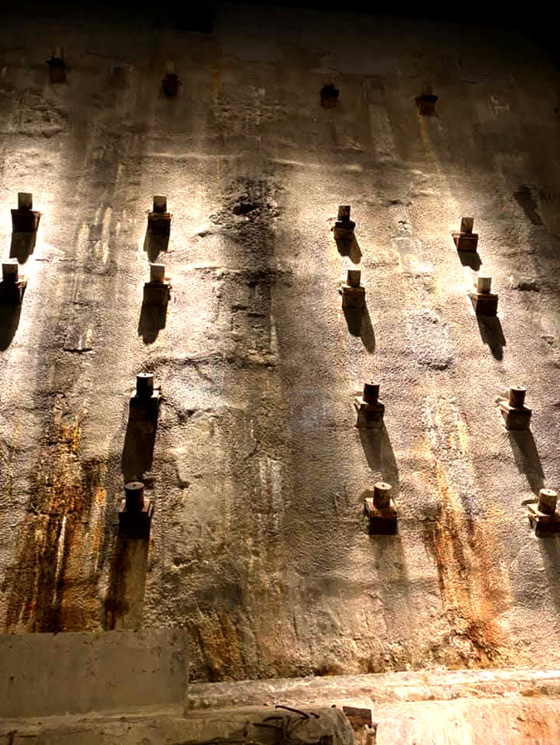
Proximity of the Hudson River presented a significant challenge to the planners of the World Trade Center. Before excavation and construction could begin, it was necessary to find a way to prevent river water from seeping into or flooding the site. This was done by building a retaining wall, known as the slurry wall. Despite fears that it might rupture during the attacks—potentially flooding Lower Manhattan—the wall held. A portion of the original wall has been preserved.
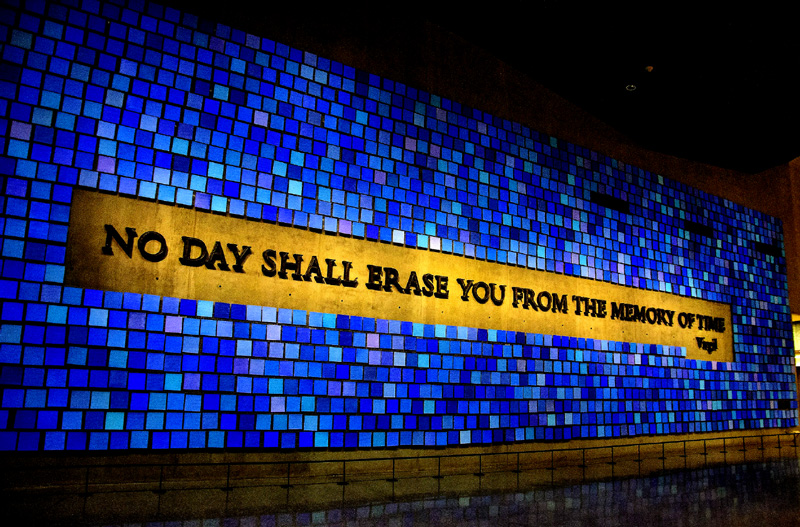
The blue squares reference Trying to Remember the Color of the Sky on September 11, 2001, an artwork by Spencer Finch composed of 2,983 individual watercolors—one for each victim—depicting people’s memories of the sky that morning.
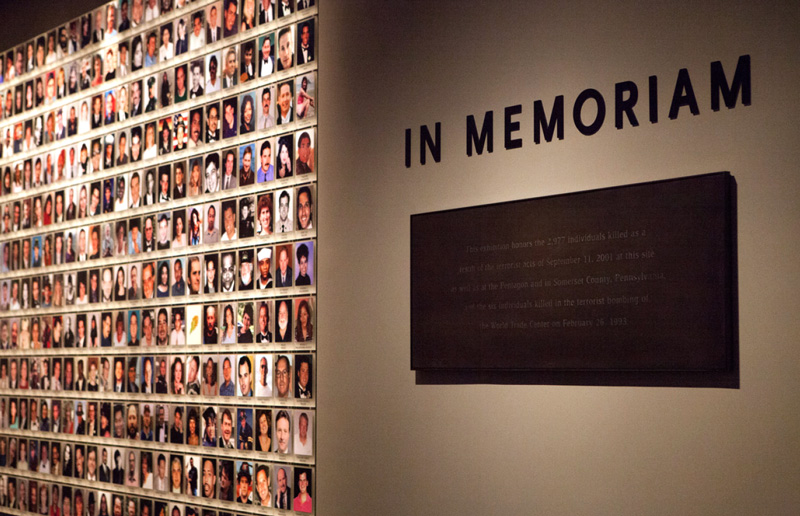
Memorial Hall displays photographs of those killed in the attacks, an idea conceived in the aftermath as families sought a place for remembrance.
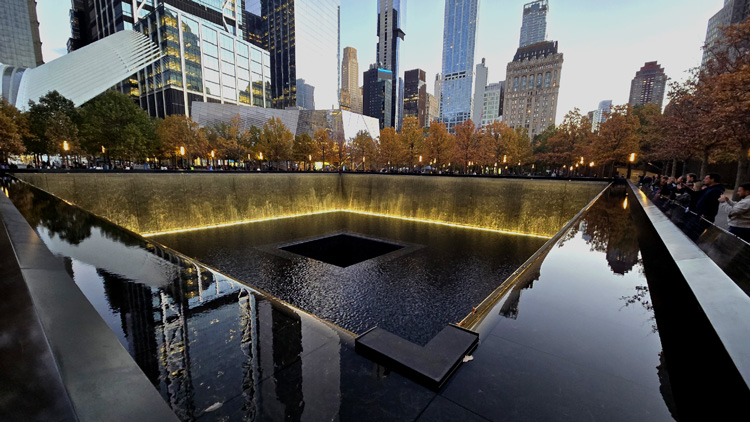
Outside the museum, the memorial pools bear the names of all who died in the September 11 attacks, etched into bronze panels surrounding the footprints of the original towers.
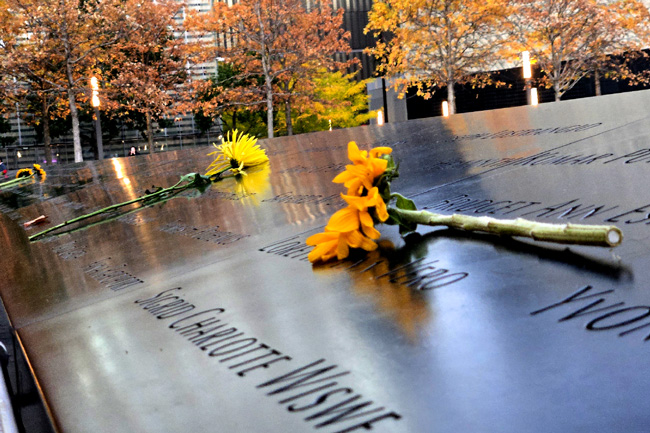
Rising from the ashes, the new World Trade Center stands tall in blue steel and glass – an emblem of resilience, remembrance, and the city’s unyielding spirit.
